

Introduction
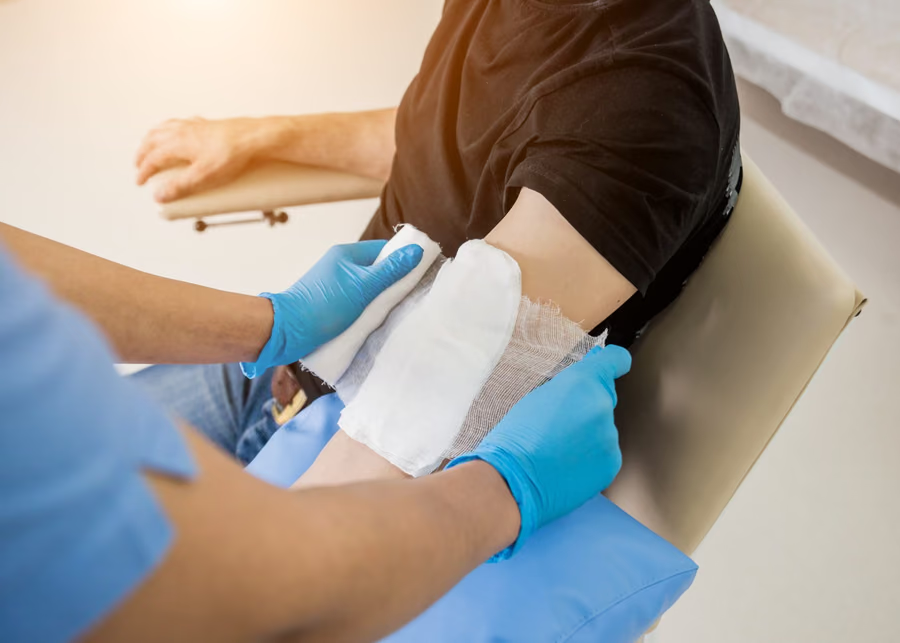
Burn injuries can be some of the most devastating and painful experiences a person can endure, often leading to extensive medical treatment, rehabilitation, and financial burdens. In many cases, burn injuries are caused by accidents or incidents that may be covered by insurance policies. Understanding how to navigate the insurance claims process and maximize your coverage is crucial to obtaining the financial assistance you need during your recovery. In this comprehensive guide, we will explore burn injuries and insurance claims, the types of insurance that may come into play, and strategies to maximize your coverage.
Types of Insurance Coverage for Burn Injuries
Several types of insurance coverage may come into play when dealing with burn injuries. It's essential to understand these different policies and how they may apply to your situation:
Health Insurance
Health insurance is designed to cover medical expenses related to your burn injury, including hospitalization, surgery, medication, and rehabilitation. It is typically one of the primary sources of coverage for burn victims.
Auto Insurance
If your burn injury resulted from a car accident, the at-fault driver's auto insurance policy may cover your medical expenses and other damages.
Homeowners or Renters Insurance
If your burn injury occurred due to a fire or other accidents on someone else's property, their homeowners or renters insurance policy may provide coverage for your medical expenses and other losses.
Workers' Compensation Insurance
If you suffered a burn injury at work, you may be eligible for workers' compensation benefits, which can cover medical expenses and lost wages.
Disability Insurance
Disability insurance may provide financial support if your burn injury leaves you temporarily or permanently unable to work.
Life Insurance
In tragic cases where a burn injury leads to a fatality, life insurance policies may provide a death benefit to surviving family members.
Maximizing Your Coverage
To ensure you receive the maximum coverage available for your burn injury, consider the following strategies:
Review Your Policies
Carefully review all insurance policies that may be relevant to your burn injury, including health insurance, auto insurance, homeowners or renters insurance, and workers' compensation insurance.
Promptly Report the Injury
Notify the insurance companies involved as soon as possible after the burn injury. Failing to report promptly could result in delays or denial of coverage.
Document Your Injuries
Keep detailed records of your burn injury, including photographs of the injuries, medical bills, prescriptions, and any other related expenses.
Follow Medical Advice
Adhere to your medical treatment plan and follow your healthcare provider's recommendations. Insurance companies may use non-compliance as a reason to deny coverage.
Communicate Clearly
Maintain clear and consistent communication with your insurance companies, healthcare providers, and legal counsel if you have representation. Ensure that all parties are aware of your injuries and the progress of your recovery.
Understand Policy Limits
Be aware of the policy limits of the insurance coverage you are dealing with. Some policies may have maximum coverage amounts that may not fully cover your expenses.
Seek Legal Assistance
Consult with an experienced personal injury attorney who can help you navigate the insurance claims process, negotiate with insurers, and ensure you receive fair compensation for your burn injury.
Health Insurance and Burn Injuries
Health insurance is a crucial source of coverage for burn injury victims. Here are some specific considerations related to health insurance and burn injuries:
In-Network vs. Out-of-Network Providers
Be aware of your health insurance plan's network of healthcare providers. In-network providers typically result in lower out-of-pocket expenses, while out-of-network providers may cost more.
Preauthorization
Certain medical procedures or treatments may require preauthorization from your health insurance company. Failing to obtain preauthorization could result in denial of coverage.
Co-Payments and Deductibles
Understand the co-payment and deductible requirements of your health insurance plan. These are the amounts you must pay out of pocket before your insurance coverage kicks in.
Out-of-Pocket Maximum
Familiarize yourself with the out-of-pocket maximum for your health insurance plan. Once you reach this limit, your insurance should cover all eligible medical expenses.
Coverage for Rehabilitation
Burn injuries often require extensive rehabilitation. Ensure that your health insurance covers rehabilitation services and follow the recommended rehabilitation plan.
Workers' Compensation and Burn Injuries
Workers' compensation insurance is a critical source of coverage for burn injuries that occur in the workplace. Here are some key points to consider:
Eligibility
Determine if you are eligible for workers' compensation benefits based on your employment status and the circumstances of your burn injury.
Reporting the Injury
Promptly report your burn injury to your employer, as workers' compensation claims typically have strict reporting deadlines.
Medical Treatment
Seek immediate medical treatment for your burn injury and inform your healthcare provider that it is a work-related injury.
Lost Wages
Workers' compensation benefits often include compensation for lost wages due to the burn injury.
Legal Assistance
If you encounter difficulties with your workers' compensation claim, consult with a workers' compensation attorney who can help you navigate the process and advocate for your rights.
Legal Assistance in Insurance Claims
Navigating insurance claims, especially in the case of severe burn injuries, can be complex and challenging. Seeking legal assistance from an experienced personal injury attorney is often crucial to ensure that you receive fair compensation. Attorneys can:
- Evaluate your case to determine the extent of your potential coverage.
- Advocate on your behalf when dealing with insurance companies.
- Negotiate with insurers to maximize your compensation.
- Provide guidance on legal recourse options if insurance claims are insufficient.
Conclusion: Maximizing Coverage for Burn Injuries
Obtaining maximum insurance coverage for burn injuries requires careful review of your policies, clear communication with insurers, and adherence to medical treatment plans. Whether through health insurance, workers' compensation, or other applicable policies, it is essential to explore all available avenues for coverage. Seeking legal assistance can significantly aid in this process, ensuring that you receive the financial support needed to cope with the physical, emotional, and financial burdens associated with burn injuries.